
Should Your Custom Packaging Use Hot Foil or Metallic Ink?
Choose hot foil when a defined metallic accent needs a particular reflective character; consider metallic ink when the metallic effect belongs within a larger

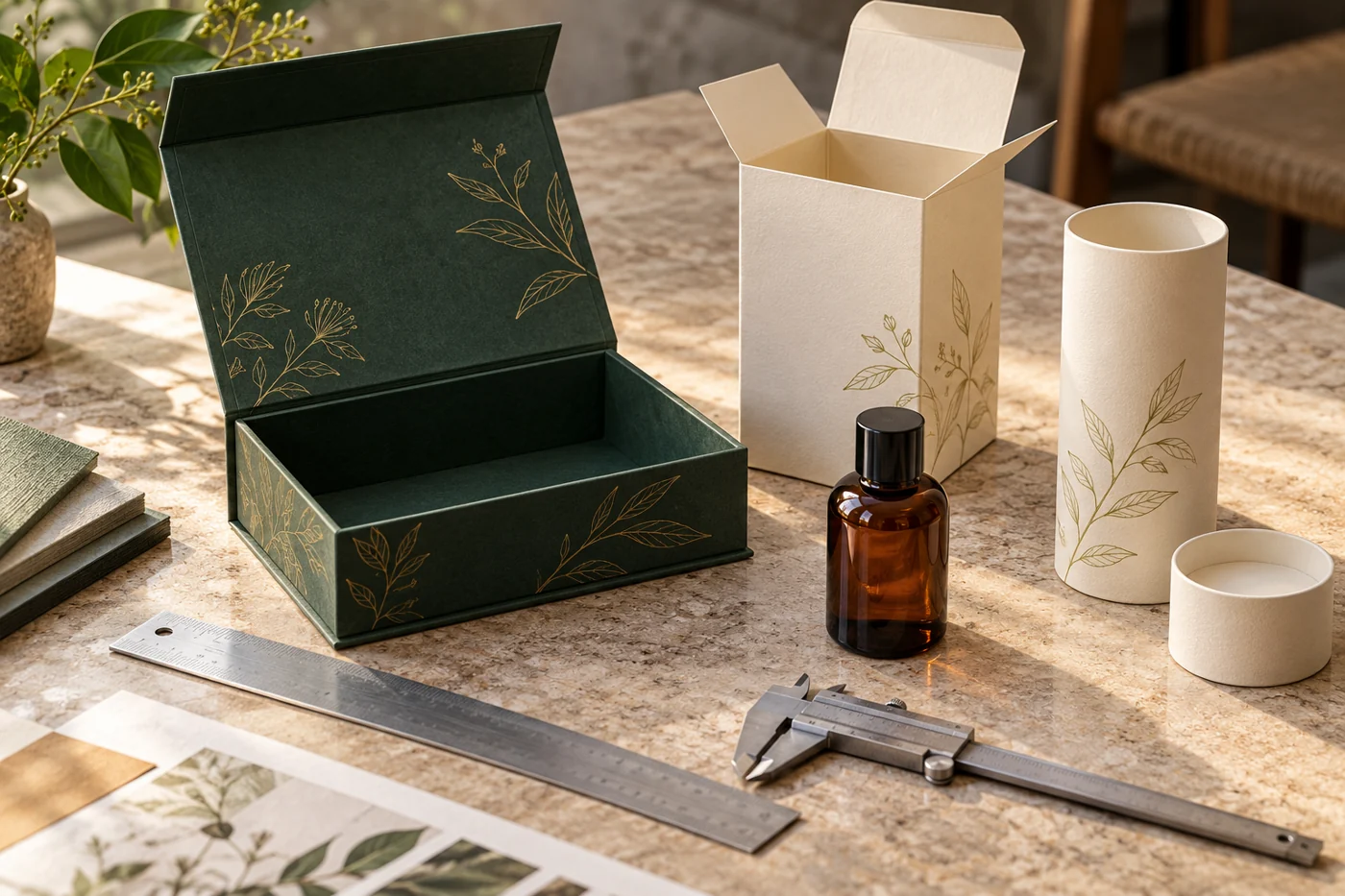
Choose hot foil when a defined metallic accent needs a particular reflective character; consider metallic ink when the metallic effect belongs within a larger
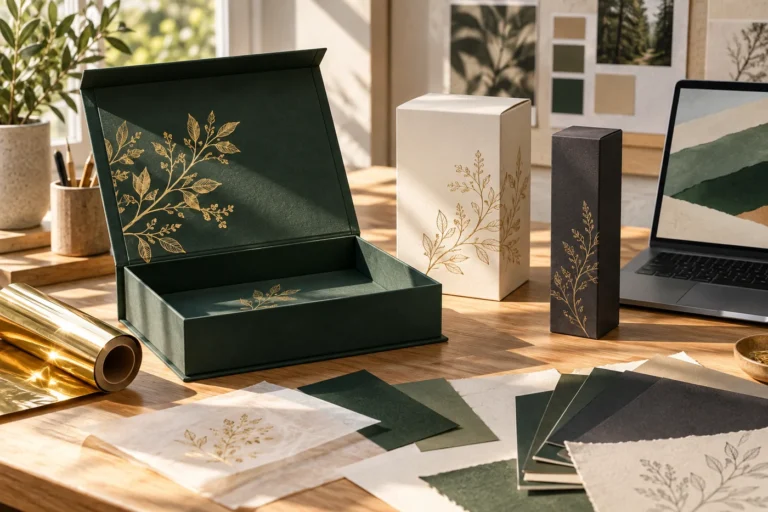
Approve packaging artwork by separating what will print from what will be cut, folded, foiled, embossed, or coated, then reviewing the exported production file

Fix uneven foil stamping on custom boxes by matching artwork, paperboard, foil, tooling and production settings. A practical buyer’s guide.
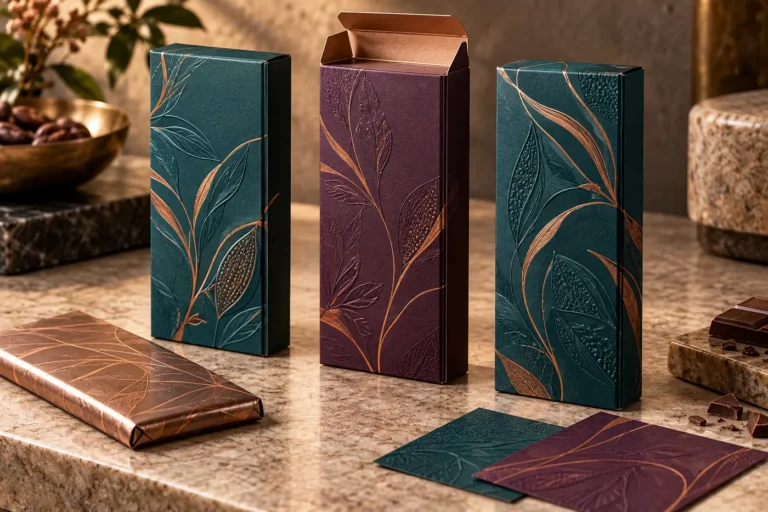
Plan folding carton glue seam placement around display faces, information panels, windows and assembly. Use a practical seam-approval checklist before ordering.
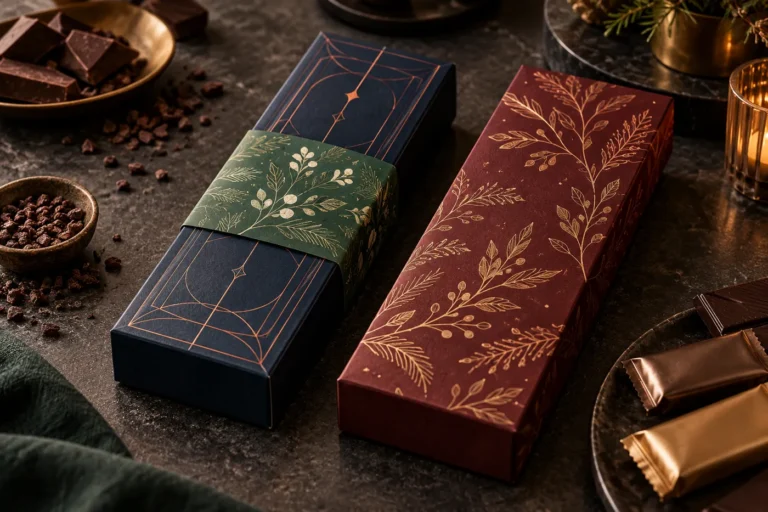
Compare seasonal chocolate belly bands with fully printed cartons. Check fit, retained information, assembly and complete packaging costs before ordering.
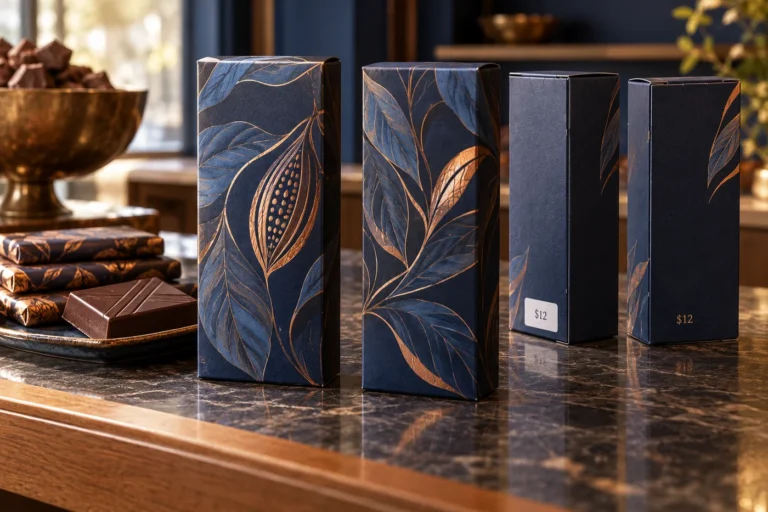
Use preprinted retail prices when the selling price, currency and sales channel are stable for the life of the packaging order. Choose a price-neutral
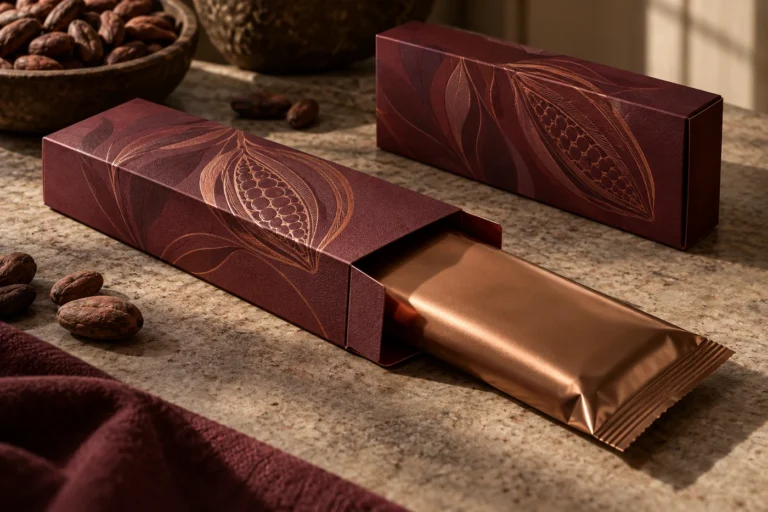
Usually, a printed chocolate box should surround a separately specified inner wrapper or container; it should not be assumed to replace it. The inner
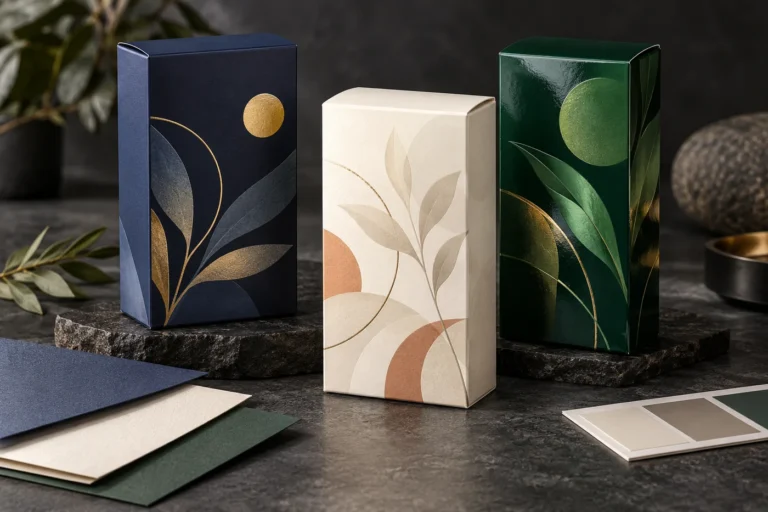
Choose lamination when the box needs a continuous film surface and stronger resistance to routine handling; choose an aqueous coating when a folding carton
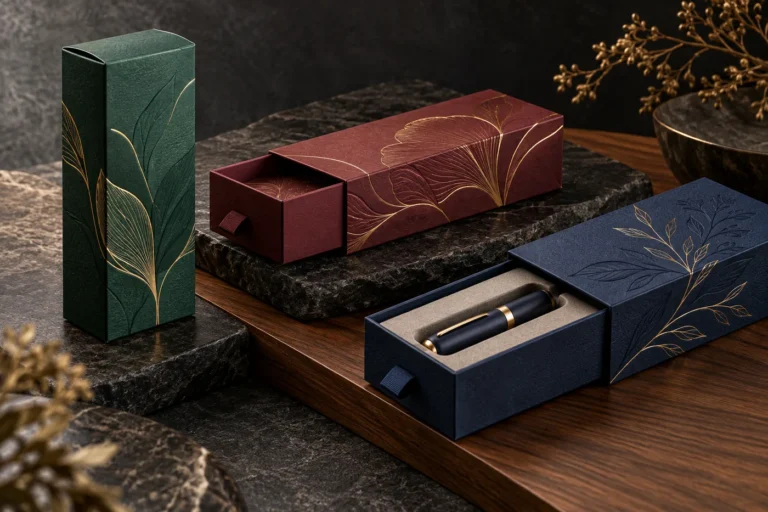
For most slim retail products, start with a tuck-end folding carton when packing speed, flat shipping and unit cost matter most; choose a sleeve-and-tray