
How Do You Change Packaging Suppliers Without Losing Your Approved Box Specification?

Change packaging suppliers by transferring a controlled specification, not just an attractive sample. Inventory the files, physical references and tools you can actually provide; ask the new converter to identify every gap; then approve its proposed construction and first-order evidence before treating the replacement as an interchangeable repeat. Keep the old and new supply streams […]
Should Your Custom Boxes Use Printed White Paper or Colored Specialty Paper?
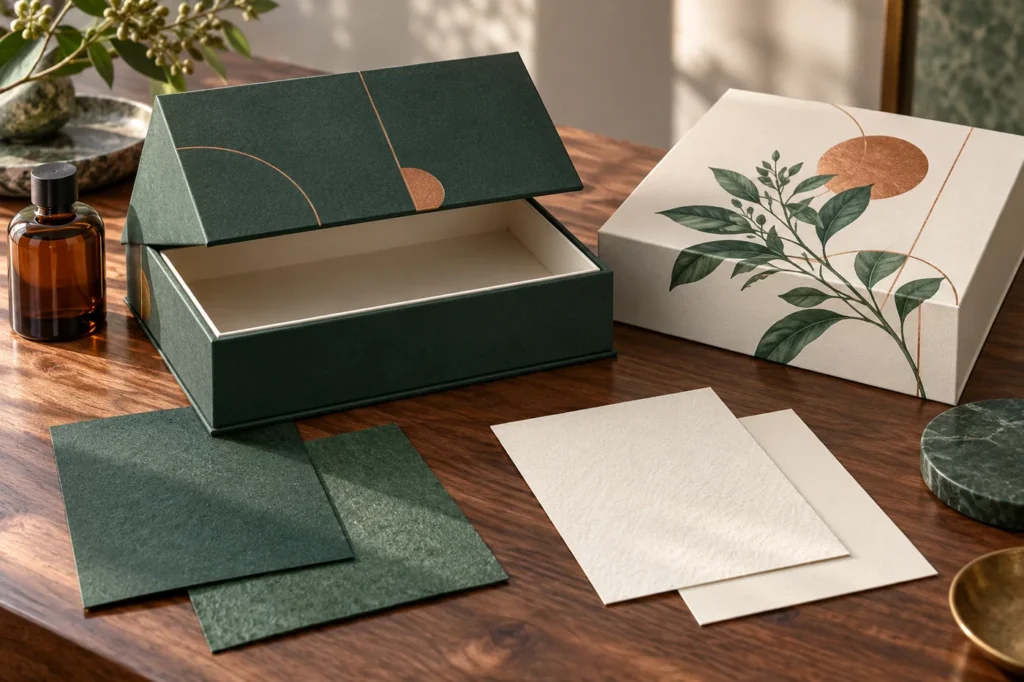
Choose printed white paper when the design depends on full-color images, pale areas or several artwork variants. Consider colored specialty paper when the paper’s own shade and surface are central to the design and the decoration can be selective. Compare the finished construction, available print route and total order cost before deciding: two dark green […]
How Do You Agree on Packaging Defects Before a Bulk Order Ships?
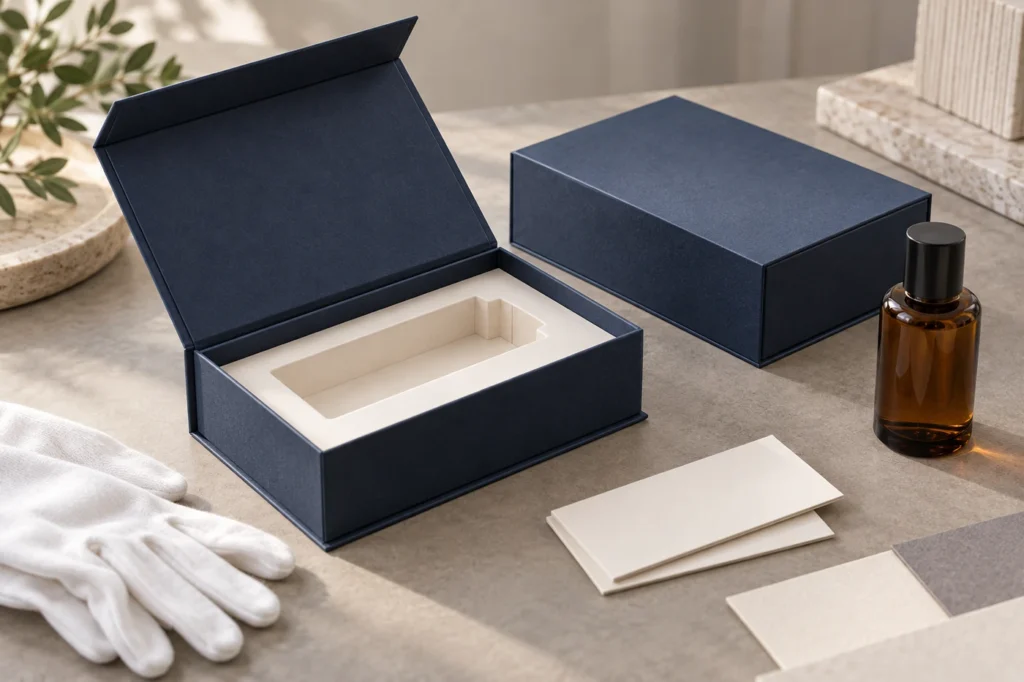
Agree on packaging defects before shipment by signing off a defect list, physical reference samples, inspection methods and a written lot-release rule—not simply a request for “premium quality.” Separate appearance, function and product identity. For each important characteristic, specify what is checked, where it is checked, what counts as a failure and who can authorize […]
How Many Custom Boxes Should You Order When Demand Is Uncertain?
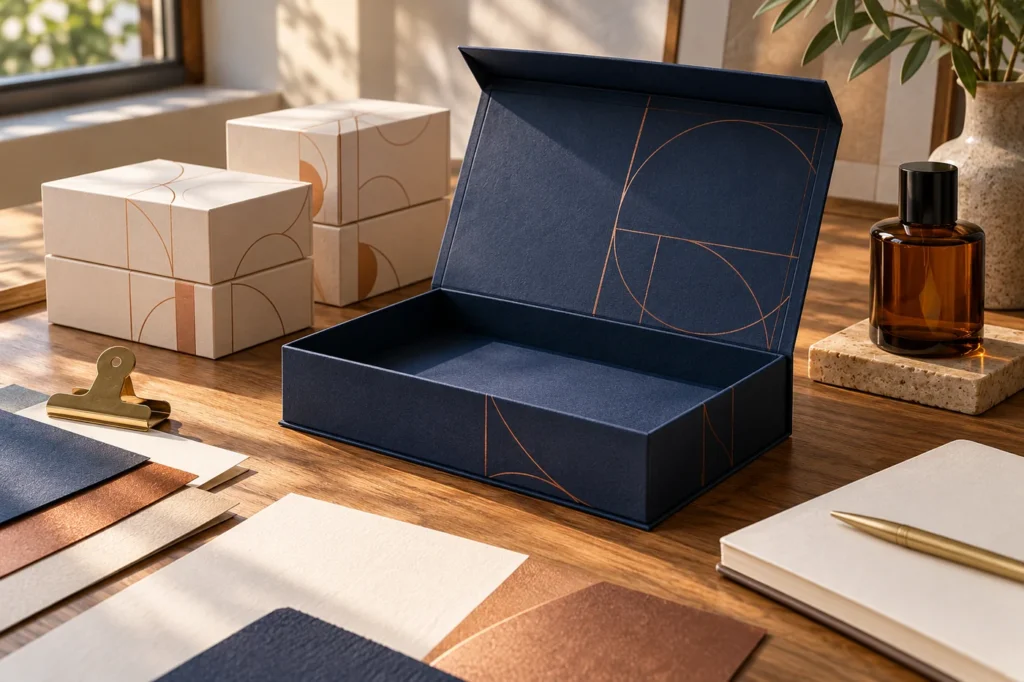
Order custom boxes around the quantity you can reasonably use before the next replenishment or design change, then test that quantity against slower demand, supplier minimums, and the cost of a shortage. The lowest unit price is not automatically the best purchase. A larger run can reduce conversion cost per box while increasing cash committed […]
How Do You Approve Packaging Artwork When Foil, Embossing, and Cut Lines Share One File?
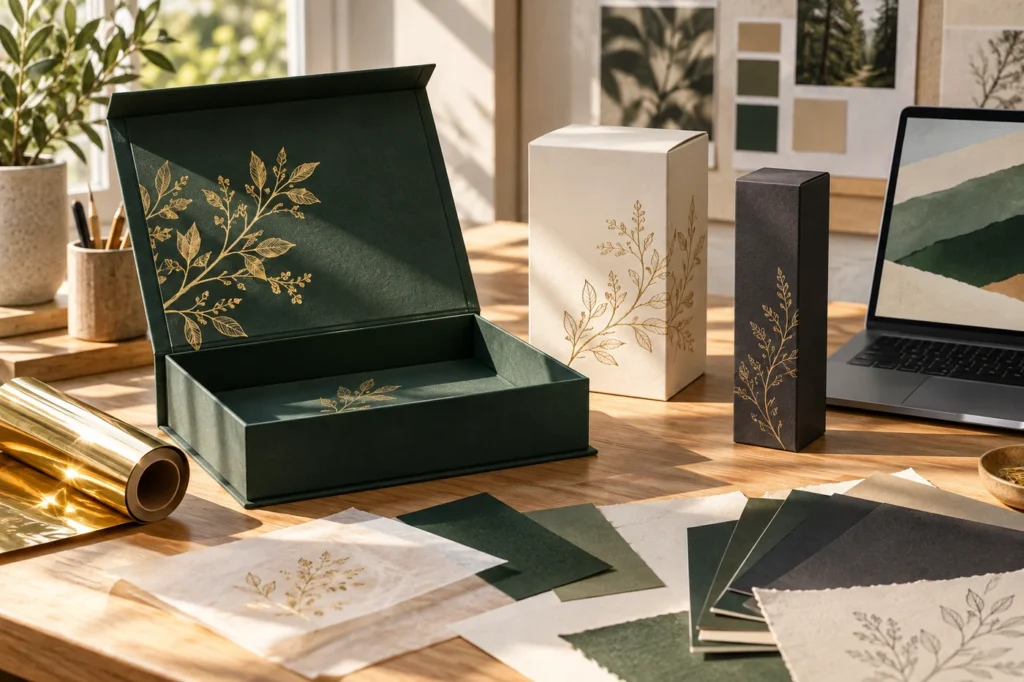
Approve packaging artwork by separating what will print from what will be cut, folded, foiled, embossed, or coated, then reviewing the exported production file against a written process list. A beautiful composite preview is not enough. Ask the converter to identify the intended ink separations and finishing elements, confirm the structural drawing revision, and show […]
How Do You Specify Custom Box Dimensions Without Ordering the Wrong Size?
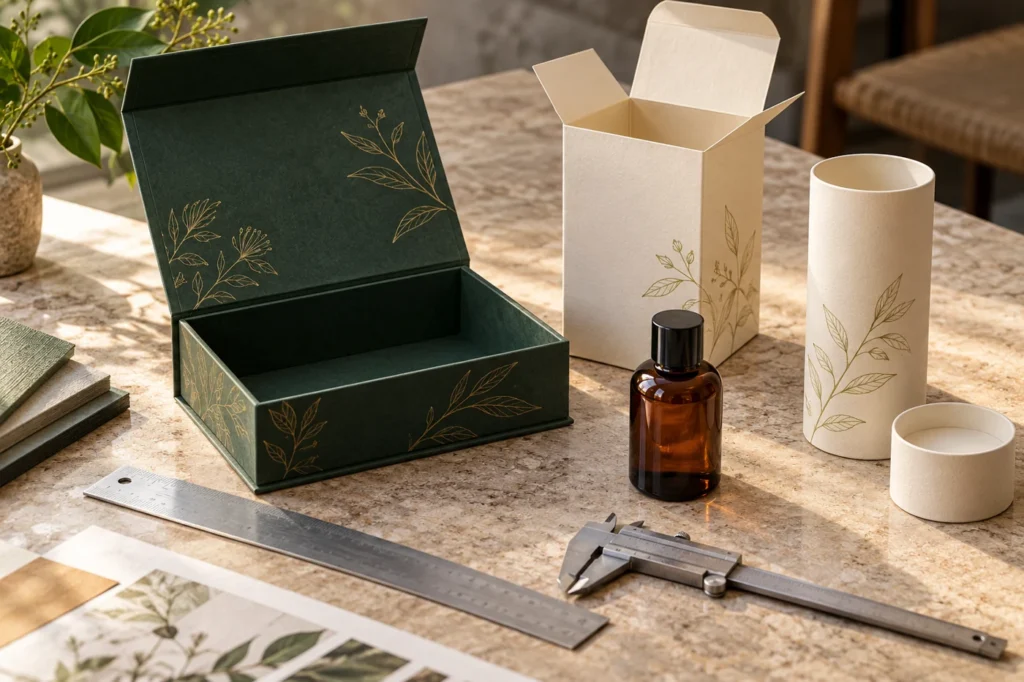
Specify custom box dimensions by naming the measurement basis, units, product orientation, and usable space—not just three numbers. For product fit, start with the complete packed product and a defined internal cavity. For a shelf, shipping carton, or packing machine, also state the maximum external size. Ask the supplier to turn those requirements into a […]
Why Does Spot UV Crack, Peel, or Miss the Artwork on Your Custom Boxes?
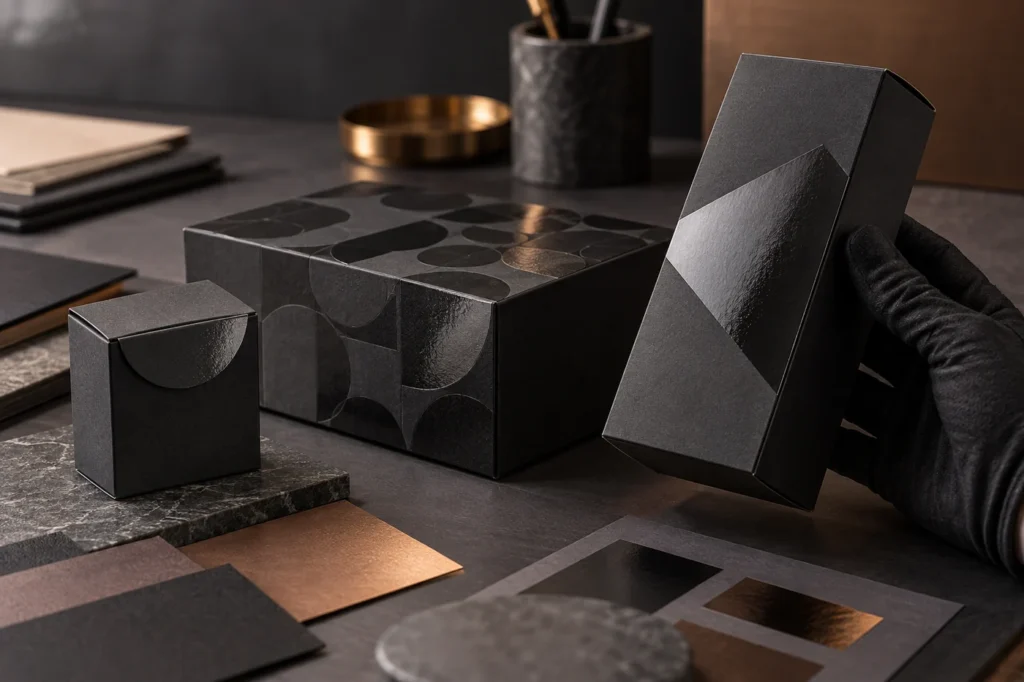
Spot UV usually cracks, peels, looks dull, or lands off the artwork because the finish was specified without enough attention to the substrate, underlying ink or film, fold position, coating weight, curing condition, and registration tolerance. The practical fix is not simply “more varnish.” A buyer should define what the effect must look and feel […]
Why Does a Custom Packaging Sample Cost More Than the Box Unit Price?
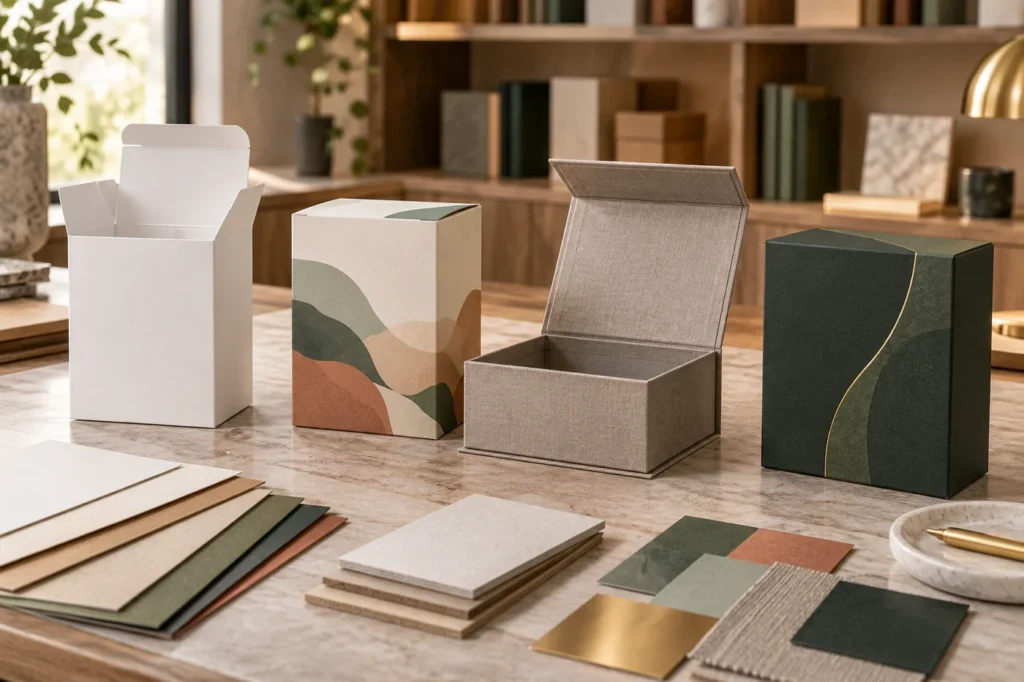
A custom packaging sample can cost more than the quoted unit price because the sample carries one-off engineering, file preparation, machine setup, hand finishing and courier work, while a production unit shares those costs across hundreds or thousands of boxes. The useful question is not whether the sample is “expensive,” but whether it is the […]
Why Do Repeat Orders of the Same Custom Box Look Different?
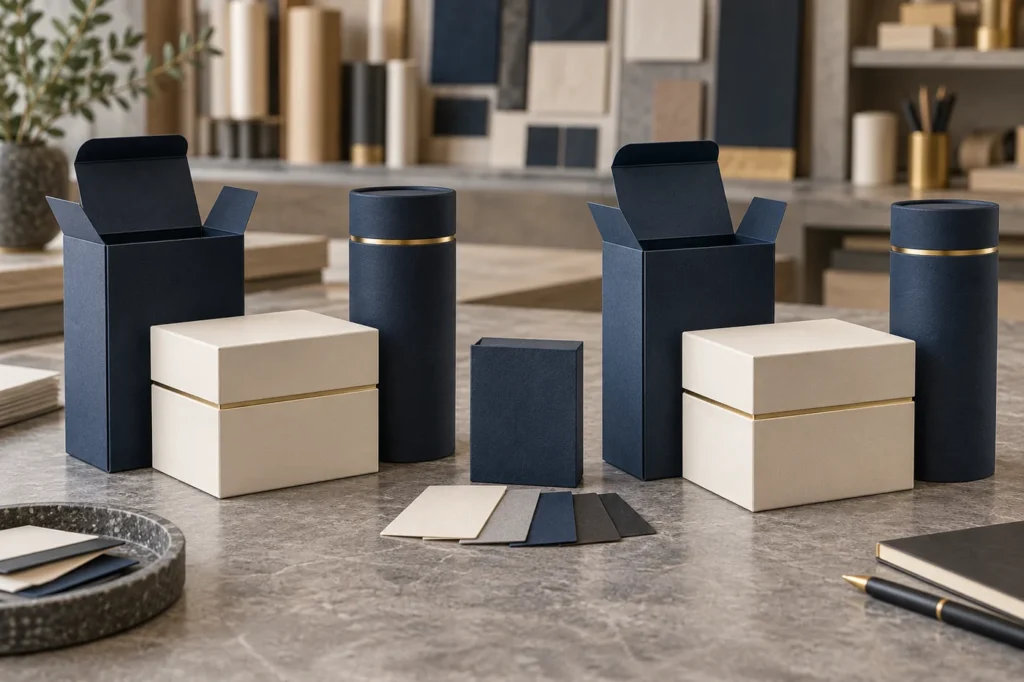
Repeat orders of the same custom box can look different because the artwork file is only one part of the color system. Paper shade, ink route, press condition, coating or film, viewing light, and even the reference used for approval may change between runs. The practical solution is to treat a reorder as a controlled […]
Why Is Your Custom Packaging Order Taking Longer Than the Quoted Lead Time?
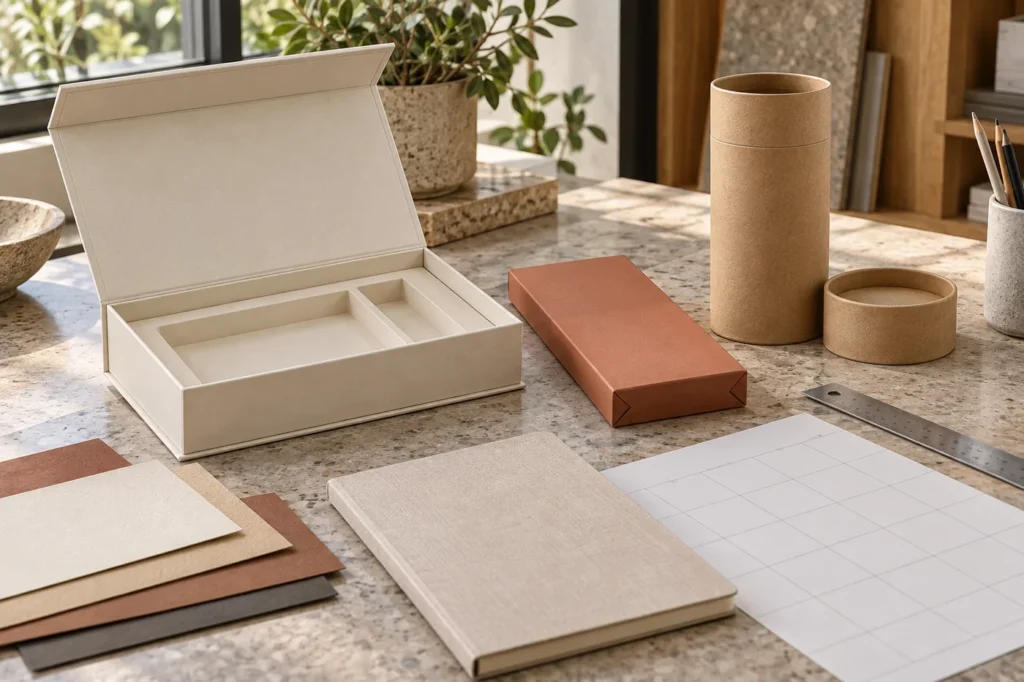
Your custom packaging order can take longer than the quoted lead time because the quote may count production only, beginning after artwork, samples, materials and commercial conditions are confirmed. Your launch calendar also includes the work before that starting point and the journey after factory release. First establish which milestone is late, what is blocking […]