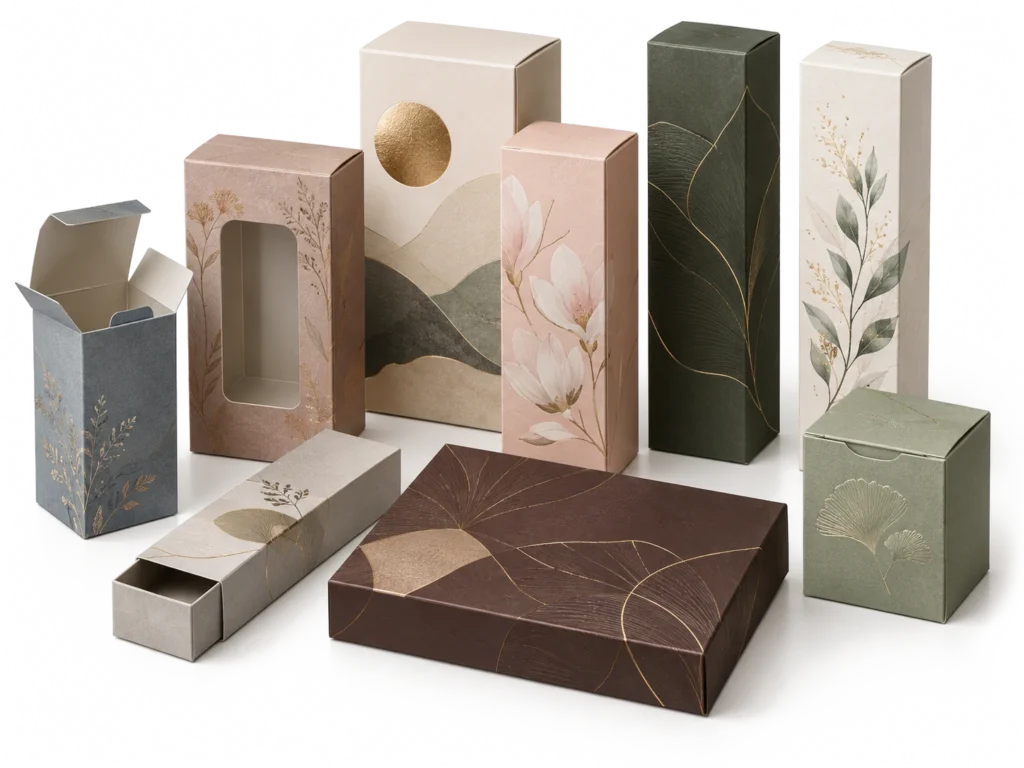
A custom packaging sample can cost more than the quoted unit price because the sample carries one-off engineering, file preparation, machine setup, hand finishing and courier work, while a production unit shares those costs across hundreds or thousands of boxes. The useful question is not whether the sample is “expensive,” but whether it is the least costly sample that can answer the decision you need to make.
A structural white sample may be enough to approve fit. It cannot approve printed color. A digital printed mockup can reveal artwork position, yet may not reproduce the paper, ink, foil or coating used in mass production. A production-material sample can be much more representative, but it may require tooling and setup that resemble a small production job. Buyers lose time and money when they request “one final sample” without defining what final means. If the finished order has already arrived and differs from the approved design, that is a separate artwork-to-production mismatch; this guide is specifically about sample economics and approval scope before mass production.
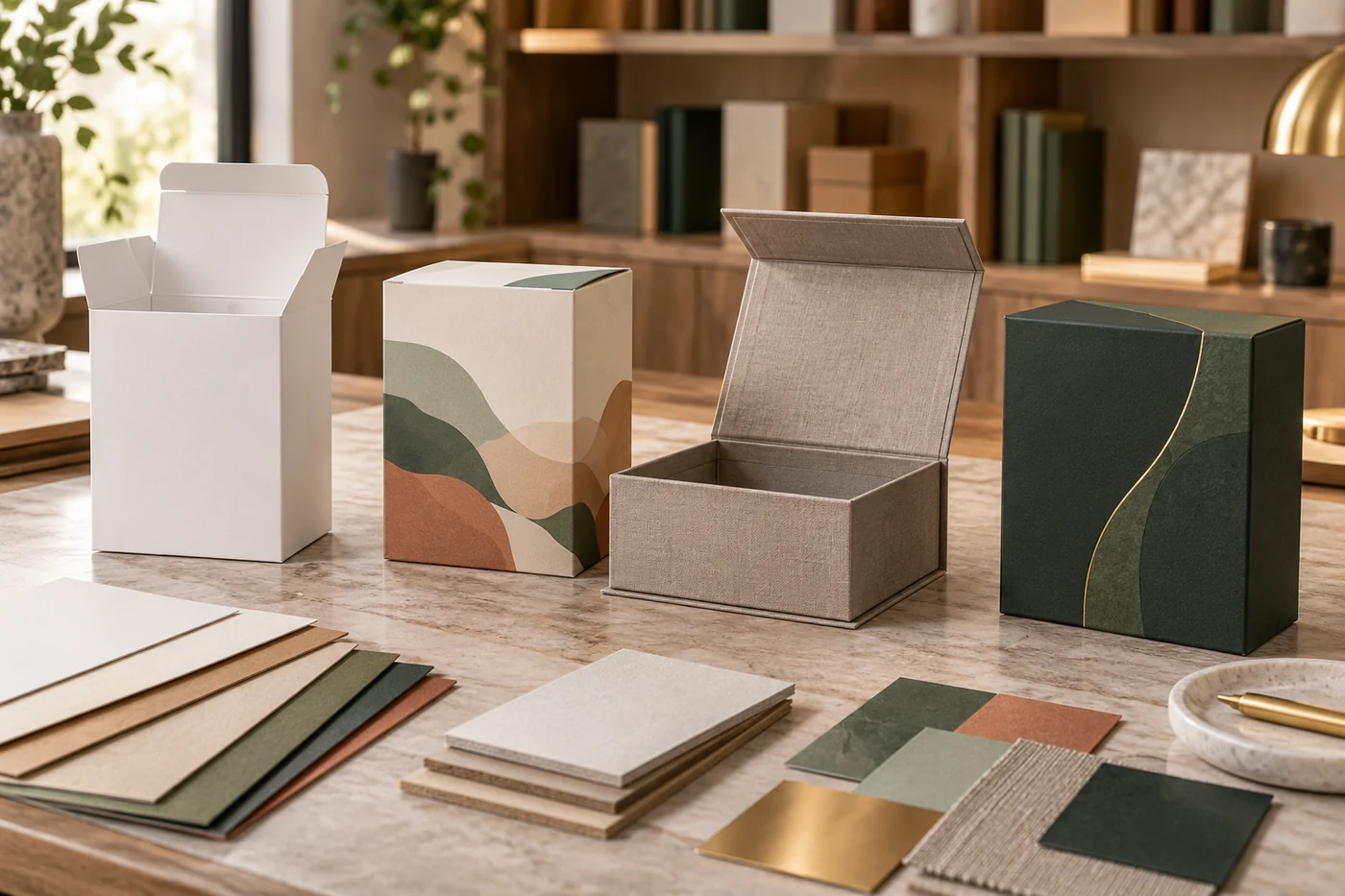
Why one sample absorbs costs that disappear in a production run
Packaging production has fixed preparation steps. A structural designer checks the product dimensions, board allowance, glue areas and opening sequence. Prepress checks bleeds, overprint, image resolution, barcodes and separation requirements. A cutting file must be prepared even if a digital cutting table makes the blank without a steel die. Materials must be selected, machines loaded, settings tested and the sample assembled.
None of those steps becomes one-thousandth as difficult because only one box is requested. In a production order, however, setup is distributed over the run. That is why comparing a one-piece sample charge directly with a 1,000-piece unit price is misleading. The sample is partly a product and partly a development service.
Structure also changes the workload. A simple folding carton can often be cut and creased digitally. A book-style rigid gift box with magnetic closure normally requires greyboard cutting, wrap preparation, positioning, turning-in and hand assembly. A cylindrical pack from a coordinated luxury paper box and tube range introduces diameter, lid-fit and rolled-edge decisions that a flat carton does not.
Choose the sample by the risk you need to remove
| Sample type | Best used to approve | What it should not approve | Main cost drivers |
|---|---|---|---|
| Structural white sample | Size, fit, opening, fold sequence, insert position | Final color, coating, foil or print density | CAD work, digital cutting, board, hand assembly |
| Digital printed mockup | Artwork placement, hierarchy, copy, approximate appearance | Exact offset color, spot-color match or production finish | Prepress, digital print, cutting and assembly |
| Contract proof | Color appearance under a defined proofing condition | Box mechanics, foil relief, coating feel or glue performance | Color-managed proofing, target data and measurement |
| Production-material and finish sample | Substrate, finish, tactile feel and a closer production reference | Automatic guarantee for every later run | Special material, plates/dies, press setup, finishing setup |
| Pilot or short run | Packing-line handling, assembly sequence and market photography | Full-volume consistency without agreed controls | Production setup divided over very few pieces |
| Packaged-product test sample | Protection under a defined test plan with the actual product | Empty-box appearance alone | Conditioning, test samples, laboratory time and reporting |
1. Use a white sample for fit before paying for decoration
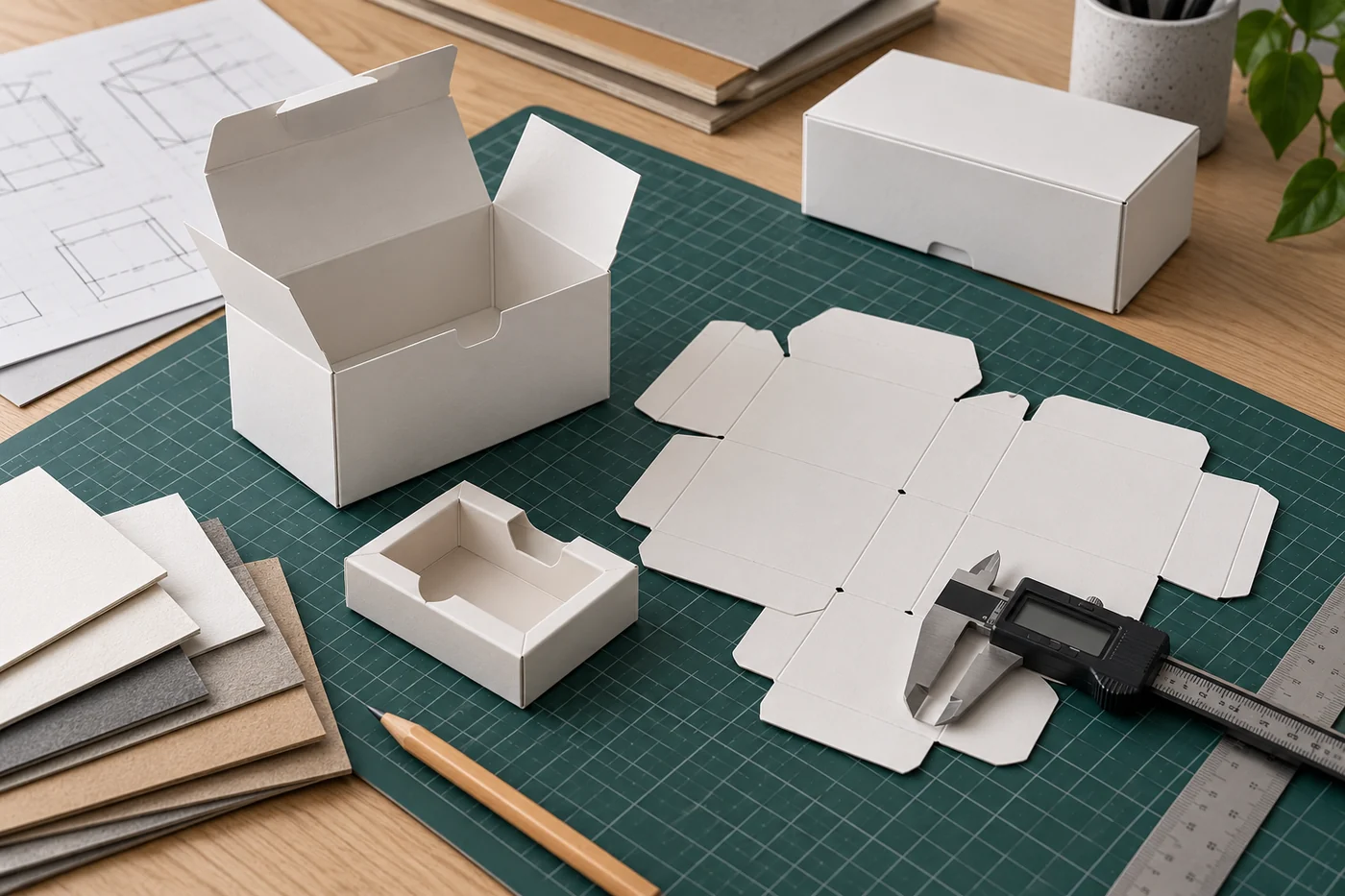
If the unanswered question is whether the product fits, begin with an unprinted sample made in the intended board grade or a declared substitute. Check internal dimensions, loading direction, finger access, closure force, insert retention and removal. For a small-format flip-top cigarette carton, small changes to the crease or tuck relationship can matter more than the printed artwork at this stage.
For inserts, test the actual product rather than dimensions alone. A specification may omit a protruding cap, cable, seal, wrapper or manufacturing variation. Photograph the loaded sample from several angles and record any intentional clearance. Approving structure first prevents a beautifully finished sample from becoming an expensive way to discover a fit problem.
2. Use a digital mockup to check communication, not to promise a press match
A digitally printed mockup is useful for checking panel order, orientation, copy size, legal text placement and whether key artwork crosses a crease. It is especially practical for a printed folding format such as custom chocolate bar packaging, where the front, back, side panels and closing flaps must read correctly after assembly.
But the digital printer, ink set and sample substrate may differ from the production press and production board. Metallic foil, embossing, spot UV, soft-touch film and uncoated kraft appearance cannot be approved from a basic digital print unless those exact processes are included. The purchase order should state whether the sample is for layout approval, color guidance or production-match approval.
3. Ask whether the “color proof” is a controlled proof
A colored printout is not automatically a contract proof. ISO 12647-7:2016 specifies requirements for hard-copy digital proof prints intended to simulate a defined printing condition. Fogra describes a compliant contract proof as a color-faithful visual reference for printers and print buyers, with information such as the simulated printing condition and measurement condition. That makes it materially different from an attractive mockup made only for presentation.
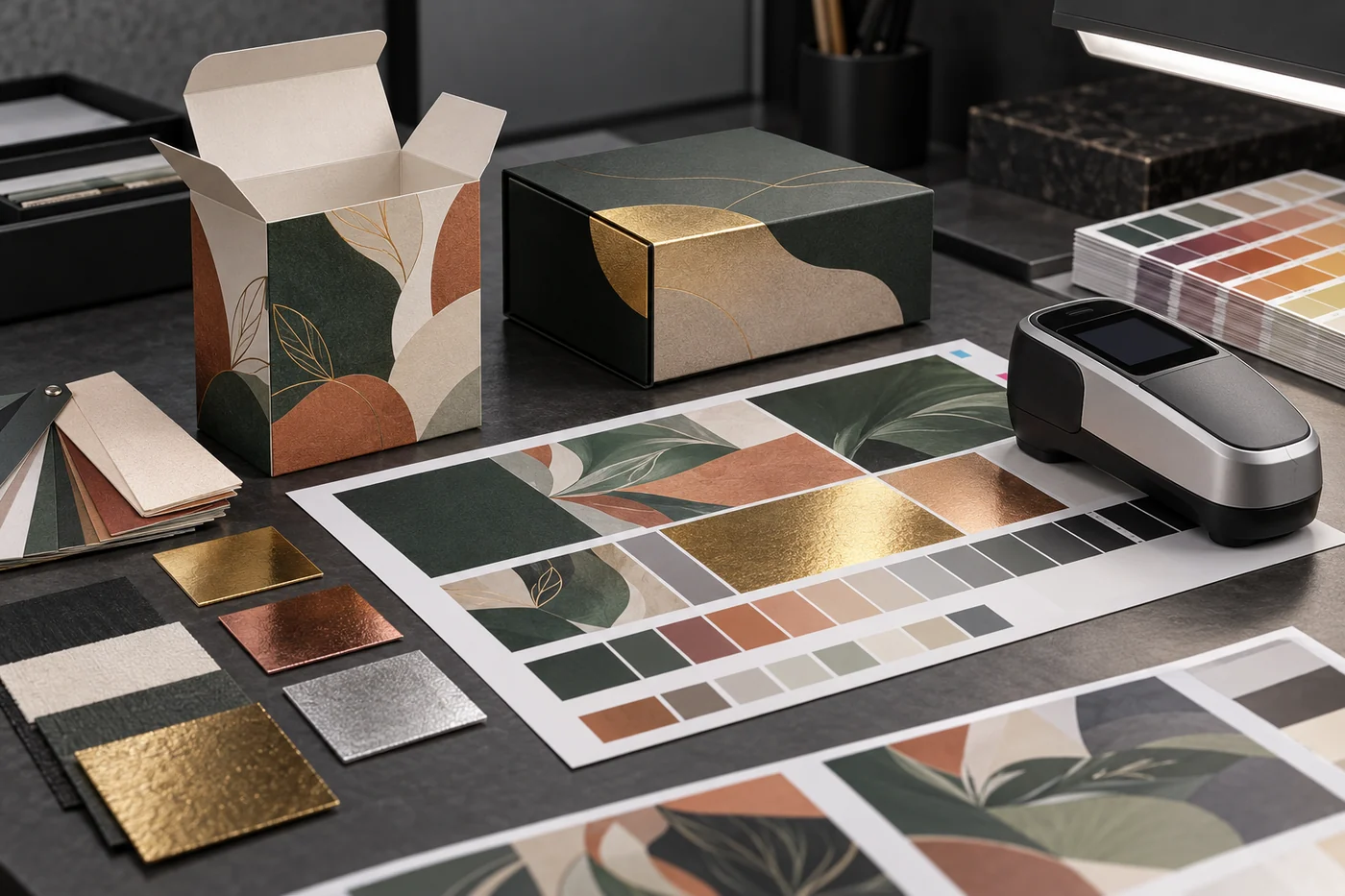
If color is critical, ask which printing condition is being simulated, what substrate is used, whether a control wedge is measured and how spot colors are evaluated. If the packaging uses a tinted, kraft, metallic or highly textured stock, also request a production-material drawdown or press sample. A proof can control color appearance; it cannot reproduce the stiffness, fold memory or tactile effect of the finished box.
4. Pay for a production-process sample only when it changes the decision
Foil dies, embossing dies, printing plates, screens and dedicated cutting tools may be needed to reproduce production effects. Setup can require additional sheets because registration, pressure, temperature, curing or adhesion must be adjusted before a representative piece is produced. For one sample, those costs have almost no quantity over which to spread.
Production-process samples make sense when the finish is central to the brand, when a new substrate is being introduced, or when a closure and insert must be evaluated together. For custom vape packaging with a fitted insert, for example, the buyer may need to approve both print presentation and the loaded pack. Requesting every available finish “just to see it” is less useful than selecting the two or three decisions that affect the launch.
5. Treat functional or child-resistant concepts as a separate approval path
A functional sample can show how a mechanism opens, closes and holds the product. It does not by itself establish legal compliance. A child-resistant pre-roll packaging concept may need iterative fit work and, where required for the intended market, testing under the applicable protocol using the final materials and construction. Buyers should separate “the mechanism feels right” from “the complete package has the required evidence.”
That distinction affects sample cost and timing. Early prototypes can be used to improve usability and dimensions. Test-ready specimens should represent the intended production package closely enough for the selected assessment. Avoid paying for formal testing while the structure, material or closure is still changing.
When should you add transport testing?
Transport testing answers a different question from appearance approval: whether the packaged product withstands a defined distribution environment. The International Safe Transit Association describes ISTA 1A as a screening procedure for packaged products weighing 150 lb (68 kg) or less, while ISTA 3A is intended for individual packaged products moving through parcel delivery systems. The correct procedure depends on the product, pack and distribution route; it is not selected simply because a box looks fragile.
Use the actual product and realistic internal packaging wherever the plan requires it. An empty presentation box cannot reveal product movement, insert collapse or concentrated loading. Agree in advance on the test objective, sample count, preconditioning, acceptance criteria and who receives the report.
A practical sample request that suppliers can quote clearly
Instead of asking, “How much for one finished sample?”, send a short approval brief:
- Decision: fit, artwork position, color, finish, mechanism, packing-line use or transport performance.
- Product: final dimensions, weight, manufacturing variation and fragile points.
- Structure: dieline revision, internal versus external dimensions, insert type and loading direction.
- Material: production board and substitute policy for early prototypes.
- Decoration: CMYK or spot color, laminate, foil, emboss/deboss, varnish and acceptable omissions.
- Approval method: what the sample can approve and what remains subject to production approval.
- Quantity: one approval sample, multiple stakeholder copies, photography units or test specimens.
- Delivery: destination, deadline and whether consolidated shipping is acceptable.
Ask for the quotation to separate refundable or reusable tooling, one-time engineering, sample production and courier charges. Also ask whether the tooling will be used in mass production and whether a design change would make it unusable. This is more informative than negotiating the total sample charge without understanding its components.
How to reduce sample cost without increasing launch risk
- Approve in stages. Lock dimensions with a white sample before requesting color and finish.
- Use 3D visualization for early artwork choices. It can eliminate weak directions, but it does not replace physical fit or material review.
- Limit each sample to a written purpose. A sample with no approval question often generates subjective revisions.
- Bundle variants intelligently. Use one common structure and compare only the variable that matters, such as two boards or two foil colors.
- Freeze the artwork revision. Late copy changes can repeat prepress and output work.
- Retain a signed reference. Mark the dieline revision, material, finish and approval date; keep one matched sample with the supplier if possible.
- Separate sample freight from sample making. Fast international courier service can be a substantial part of the total.
Digital cutting systems can produce folding-carton samples without a conventional die; Kongsberg describes such equipment as serving sample making and short-run folding-carton production. Dieless does not mean effort-free: CAD preparation, calibration, cutting, creasing and assembly still consume skilled time. It does mean that an early structural sample may avoid premature investment in a production cutting die.
Questions to ask before approving the sample
- Is this sample made from the production material? If not, what will change?
- Which print process produced it, and which process will produce the order?
- Are color and finishes approximate, measured or production-representative?
- Are the cutting, foil or embossing tools temporary or production tools?
- Does approval cover dimensions, artwork, color, finish, function or only selected items?
- What production tolerances or reference samples will govern the order?
- Will any supplier, material or process substitution require written approval?
FAQ
Should a custom packaging sample be free?
That is a commercial policy, not a reliable measure of sample quality. A supplier may waive, credit or charge development costs in different ways. Compare the sample scope, tooling ownership, courier charge and what will be credited against the production order.
Can one digital sample approve the final printed color?
Only if the parties define it as a controlled proof for the relevant printing condition and agree what it represents. A general digital mockup is better treated as an artwork and layout reference. Production substrate and finishes may still require separate approval.
Do I need a steel cutting die for one folding-carton sample?
Often no. A CAD cutting table can make a structural or printed prototype without a production die. A die may still be required when the buyer needs a production-process sample or when the structure and material cannot be represented adequately by the prototype method.
How many samples should I order?
Order enough for the decisions and tests planned: typically stakeholder approval copies, a retained reference and any destructive or transport-test specimens. The correct number depends on the approval process; do not assume a single cosmetic sample can serve every purpose.
Define the approval question before requesting the box
The most economical sample is the one that removes the next meaningful risk. Start with structure, add artwork and color control when needed, and pay for production tooling or testing only when the design is stable enough to benefit. If you are planning a new folding carton, rigid box, tube or fitted retail pack, send PaperBoxPro your product dimensions, artwork status, target material, finish list and the decision the sample must support. A clear brief makes the sample quotation—and the approval itself—far easier to evaluate.
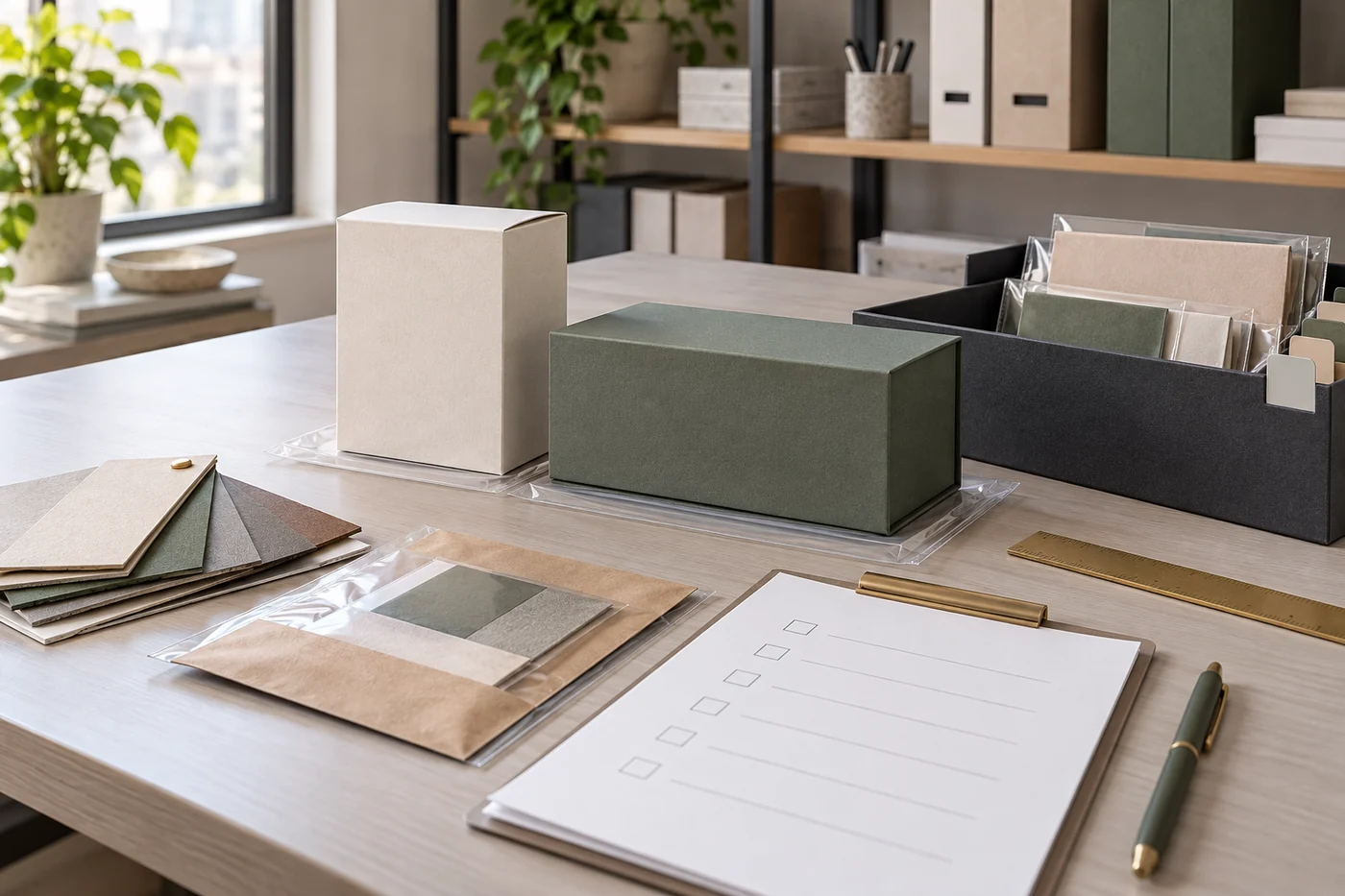
Image note: The four illustrations in this article are AI-generated packaging concepts. They do not depict a customer order, certified test, or production facility.